Hello Second Grade: A Craft Fair Review of This Back to School Design
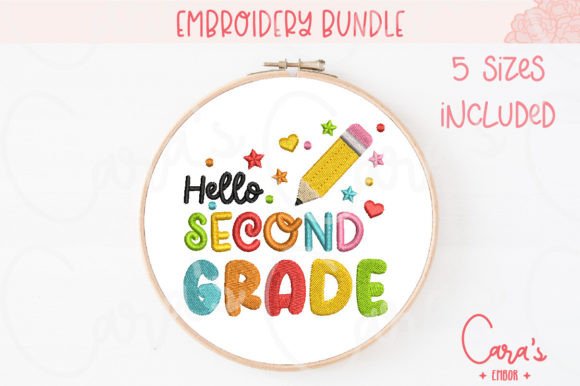
When I first opened Hello Second Grade as a machine embroidery design, I immediately felt the cheerful, welcoming energy that defines the best-selling Back To School products at any craft fair. This embroidery file lands squarely in the sweet spot between playful and polished, making it a strong candidate for handmade product lines aimed at parents, grandparents, and teachers shopping for the new school year. As someone who has prepped dozens of craft fair product collections, I can tell you that designs with this kind of bright, educational spirit tend to stop browsers in their tracks, especially when stitched onto items that feel both practical and giftable.
First Impressions and Booth Presence
The mood of Hello Second Grade is upbeat and slightly nostalgic, with a modern, clean finish that reads well from a distance. It is not overly intricate or fussy, which works beautifully for a craft fair product where customers make snap decisions based on first glance. The design feels bold enough to anchor a tote bag design or apron embroidery, yet it retains a soft, friendly character that suits a wide range of fabric goods. In my booth, I would place a stitched sample of this design at eye level on a dark-colored tea towel embroidery or a natural canvas tote, because the contrast and clarity give it strong stopping power. It has a farmhouse-meets-classroom vibe that appeals to buyers looking for something both decorative and meaningful.
Tote Bags and Market Bags
This is where Hello Second Grade truly shines. On a sturdy cotton or canvas tote, the design sits comfortably as a central focal piece. The lettering and playful elements are large enough to be seen across a booth table, which is critical for attracting attention. I would recommend a hoop size that allows the full design to fit without crowding the bag's surface. A medium to large hoop works best here, giving the design breathing room. For batch production, this design repeats reliably — the stitch paths are logical, and the stitch density feels balanced, which means less thread breaks and fewer tension adjustments between runs.
Aprons and Kitchen Towels
Apron embroidery is a staple at any handmade market, and Hello Second Grade adapts well to both full-size aprons and child-sized versions. On a chef-style apron, the design sits nicely on the chest panel or lower bib. On tea towel embroidery, I would test it on a medium-weight linen or cotton towel, avoiding highly textured weaves that might obscure the smaller details. The design's line thickness is generous enough to read clearly on a towel, which is important because towels often have a looser weave that can swallow fine details. I would suggest using a stabilizer with good adhesion, such as a tear-away or cut-away, depending on the fabric's stretch.
Caps and Patches
For embroidered patch production, Hello Second Grade has the right proportions to work as a sew-on or iron-on patch. The design is compact enough to fit on a cap front without distorting, but I caution against using it on heavily curved cap surfaces without first testing the hoop size and stabilizer. The lettering may need slight adjustments to prevent puckering on a curved surface. As a standalone patch, it creates a cute, collectible item that can be sold individually or applied to backpacks, lunch bags, and jackets. This is a strong upsell item at a craft fair, especially for customers buying for multiple children.
Pouches, Pillow Covers, and Giftable Items
Small fabric pouches and handmade product items like pencil cases or cosmetic bags benefit from a design that does not overwhelm a small surface. Hello Second Grade fits neatly on a standard pouch front. On pillow covers, the design adds a decorative, personalized touch that makes a lovely gift for a second grader's room. I would suggest using a thread colors palette that contrasts well with the fabric: bright, cheerful hues like red, teal, or gold against a neutral or navy background. This design also photographs beautifully for printable mockup use in Etsy listings, which is essential for digital sellers who need to show the design in context.
Practical Selling and Production Considerations
From a production standpoint, Hello Second Grade is straightforward to stitch out in multiples. The stitch density is not excessively heavy, which reduces the risk of fabric distortion and keeps production time reasonable. I recommend testing the design on scrap fabric first, using the same stabilizer and fabric texture you plan to use for your final products. Pay attention to the thread colors: if the design uses multiple colors, confirm that each color change is well-spaced and that there are no unnecessarily long jump stitches that could complicate finishing.
For commercial embroidery purposes, always confirm the commercial licensing terms before selling finished products. The design description mentions it is a digital embroidery file for machine embroidery, but you must verify whether the license covers unlimited use on items for sale. This is a critical step that many small shop product makers overlook. Keep a copy of the license with your design assets for reference.
Careful-Use Notes for Quality Results
- Dense stitch areas: Check if any parts of the design have high stitch density, especially in lettering or clustered details. If the density is too high on a thick fabric like terry or heavy canvas, the fabric may pucker. A lighter-density version or a stabilizer with more support can help.
- Tiny details and small lettering: If the design includes very small text or fine elements, be cautious when reducing the size. At smaller hoop size scales, tiny details can become muddy or lose legibility. Always stitch a test sample at the size you intend to sell.
- Thick fabric and textured towels: On thick or textured fabrics, the design may need a thicker needle and a more robust stabilizer. Test on a sample piece before committing to a run of tea towel embroidery or apron fronts.
- Curved cap surfaces: As mentioned, curved surfaces require careful hooping and possibly a floating method to keep the design centered and distortion-free. Use a stabilizer designed for cap frames.
- Dark fabric: If stitching on dark fabric, verify that the thread colors provide enough contrast. A light-colored underlay can help prevent the fabric from showing through.
Visual Appeal and Customer Engagement
In a craft fair setting, Hello Second Grade has the advantage of immediate readability. Customers looking for Back To School gifts will recognize the grade level and the celebratory tone. The design feels both educational and decorative, which broadens its appeal. Parents love items that mark a milestone, and this design captures that moment without being overly sentimental. I would display it on a mix of practical items — tote bags, aprons, and embroidered patch sets — to show its versatility. A small sign next to the display that says "Personalize Your Child's Name" could also increase engagement and sales, if the design file allows for custom text additions.
Practical Embroidery Designer Notes for Success
- Test on scrap fabric: Always run a test stitch on the exact fabric you plan to use. This reveals any tension issues, thread breaks, or density problems before you commit to production.
- Check thread contrast: Hold your chosen thread colors against the fabric in natural light. What looks good on a screen may not pop in person.
- Review spacing and layout: Make sure the design elements are well-balanced and that no letters or details are too close together. Good spacing ensures a clean finish.
- Confirm hoop size: Verify that the design fits your hoop with adequate margins. Cramming a design into a too-small hoop can cause misalignment and poor stitch quality.
- Inspect stitch density: If the design feels overly dense, consider using a lighter stabilizer or adjusting the underlay. High density on thin fabric can cause show-through.
- Use the right stabilizer: For most applications, a medium-weight tear-away works well. For stretchy or unstable fabrics, a cut-away stabilizer provides better long-term stability.
- Create at least one real mockup: A photo of the actual stitched design on a product is far more convincing than a digital rendering. Use this for printable mockup images in your Etsy listings and social media.
- Compare fabric colors: Stitch the design on at least two or three fabric colors to see which combination sells best. Often, a neutral base with bright thread outsells a dark base with light thread.
- Confirm commercial licensing before selling any finished product featuring this machine embroidery design. Keep written documentation of the license terms.
Final Thoughts for the Craft Fair Seller
Hello Second Grade is a versatile, customer-friendly embroidery file that fits naturally into a Back To School product line. It performs well across a range of handmade product categories, from tote bag design to embroidered patch sets, and its cheerful, educational tone resonates with buyers shopping for milestone gifts. With proper testing, attention to stitch density, and the right stabilizer choices, this design can become a reliable seller in your craft fair booth. Whether you are a seasoned Etsy seller or a creative entrepreneur building your brand, Hello Second Grade offers a solid foundation for both single-item sales and repeat batch production. Add it to your digital embroidery file collection, stitch out a few samples, and watch how quickly it draws the attention of back-to-school shoppers.