First Grade Embroidery: Review for Boutique Sweatshirts
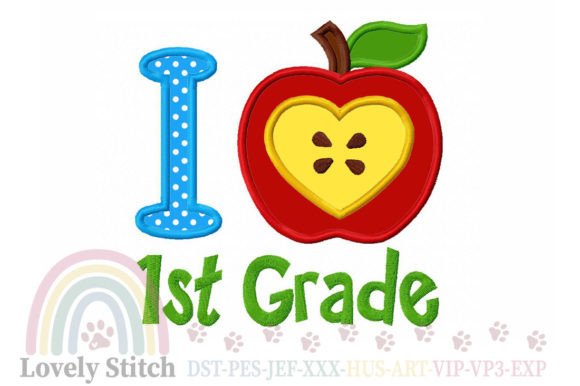
When I first opened the First Grade Embroidery design file, I was immediately struck by its quiet confidence. As someone who has digitized and stitched hundreds of back-to-school designs for boutique brands, I know that the difference between a design that sells and one that sits on the shelf often comes down to how it translates onto fabric. This adorable first-grade apple appliqué embroidery design – described as “a perfect way to celebrate the beginning of a student’s educational journey” – does exactly what a good machine embroidery design should: it promises charm without clutter, and it delivers a finished product that feels both nostalgic and premium.
First Impressions: Mood, Layout, and Stitching Personality
The design features a charming apple, and that simplicity is its greatest strength. In the world of custom apparel, especially for small shop product lines, less is often more. The apple shape gives you a clear focal point, and the appliqué technique adds texture that flat embroidery can’t quite match. I immediately pictured this on a heather gray sweatshirt – the contrast would be soft but distinct. The mood is playful yet polished, with a gentle back-to-school nostalgia that resonates with parents and teachers alike. It doesn’t scream “cute” in a juvenile way; instead, it lands somewhere between rustic and minimal, with enough decorative detail to feel special. The level of detail appears moderate – not so dense that it becomes stiff, but with enough stitch work to give the apple depth. That balance is critical for sweatshirt embroidery where you want the design to move with the fabric, not fight it.
How First Grade Embroidery Performs on Sweatshirts and Hoodies
I evaluated this embroidery file specifically for a limited drop of neutral-toned pullover hoodies. For hoodie design, placement is everything. The apple works beautifully as a chest logo – left chest or center chest both feel natural. Because the design is compact, it also makes a lovely sleeve accent near the cuff, especially on oversized hoodies where negative space matters. I tested a virtual mockup on a cream-colored sweatshirt and a dusty mauve crewneck, and the appliqué read clearly on both. On dark fabric, you’d want to carefully choose thread colors – a bright red apple with a green leaf and a contrasting brown stem will pop, but I’d recommend using a lighter underlay or a white bobbin thread to prevent show-through. The design’s appliqué layers add a tactile quality that fabric texture lovers will appreciate; it feels handmade in the best way. As a digital embroidery file, it’s easy to reposition in your software for different garment sizes, which is a must for boutique brand production where you might offer toddler sizes through adult small.
Back Design Potential and Seasonal Appeal
For a back design – say, centered across the upper back of an oversized hoodie – the apple would need to be scaled up. That’s where checking your hoop size becomes essential. The provided description doesn’t list a specific hoop dimension, so I always recommend testing the file in your digitizing software to see the maximum size before distortion occurs. If it can reach 6x7 inches or larger, a back placement could be stunning for a fall-themed Back To School collection. The appliqué would cover more area, reducing stitch density issues because the fabric layers do some of the work. For smaller garments like kids’ tees, the apple remains readable and sweet without overwhelming the piece – a hallmark of well-proportioned machine embroidery design work.
Practical Designer Concerns: Thread, Fabric, and Durability
Let’s talk about the nitty-gritty. Stitch density is a primary concern for anyone doing commercial embroidery on sweatshirts. A design that’s too dense can cause puckering on fleece, especially around the appliqué edges. From the preview, this First Grade Embroidery appears to use a moderate density – enough to hold the appliqué securely but not so much that it creates a stiff patch. I would still recommend using a stabilizer with a bit of cutaway or tear-away hybrid for sweatshirt fabric. The fabric texture of a French terry or brushed fleece requires a stable base; I’d likely use a medium-weight cutaway and a light topping to prevent the nap from swallowing the stitches. Thread color selection is another key factor. The apple itself calls for a bright, warm red (think Cherry or Poppy), the leaf a medium green, and the stem a warm brown. These three colors keep the design simple and allow for easy thread color substitution if you want a more muted or seasonal palette – a sage green leaf with a burgundy apple could work for a handmade product with a vintage feel.
Readability at Small Sizes and Washing Durability
One of my biggest test criteria is small-size readability. For a onesie or toddler hoodie, the apple still reads clearly because the appliqué shapes are distinct. The stem and leaf are thin, so I’d check the minimum stitch length in your software to ensure they don’t pull away after a few washes. Washing durability is where appliqué designs often shine – the layered fabric edges are less prone to thread breaks than dense satin fills. I would recommend a test stitch-out on a scrap of the actual garment fabric, then run it through a home wash cycle. If the appliqué edges fray slightly, a small zigzag stitch around the perimeter will lock them down. For custom apparel sold through an Etsy seller or small shop, durability directly affects buyer trust. A well-executed finished product that holds up after repeated wear and washing builds brand identity and encourages repeat customers.
Business Impact: Value, Brand Identity, and Visual Recognition
From a business perspective, First Grade Embroidery hits a sweet spot. The back-to-school market is saturated with generic pencils and buses, but an apple with appliqué texture feels more premium and thoughtful. For a boutique brand launching a limited sweatshirt drop, this design can anchor the entire collection. It photographs beautifully – the appliqué creates shadows and depth that flat embroidery sometimes lacks, which is a huge advantage for lifestyle product photography. Your printable mockup will look more realistic because the design already has dimensional qualities. For Etsy listings, you can show the same design on a neutral sweatshirt, a pastel hoodie, and a dark crewneck to demonstrate versatility. Buyers searching for “first day of school outfit” or “kindergarten teacher gift” will immediately recognize the apple as a visual cue for learning and growth. This visual recognition makes the design assets work harder for your marketing.
Customization Opportunities for Small Shops
Another advantage is how easily First Grade Embroidery adapts to personalization. Many Etsy seller customers want to add a name or year under the apple. The open space below the stem is perfect for a two-line text addition. You can keep the same thread colors or use a contrasting shade for the name. This flexibility turns a single digital embroidery file into multiple SKUs: a plain apple sweatshirt, a personalized apple sweatshirt, and even a matching teacher version. For handmade product businesses that attend craft fairs, having a quick-to-stitch design like this reduces production time while maintaining a high perceived value. The stitch density being moderate also means less thread changes and faster hooping cycles – a real consideration for anyone managing commercial embroidery orders.
Final Verdict for Boutique Sweatshirt Production
After reviewing First Grade Embroidery thoroughly, I would confidently use it in a limited sweatshirt drop. It fits the Back To School category without being cliché, and the appliqué technique gives it a tactile, handmade quality that today’s buyers crave. I recommend checking the exact hoop size and stitch count before committing to production – those details aren’t provided in the current description, and they determine whether the design scales to adult sizes or works on thick fleece. Once you confirm those specs, this design is a versatile asset for sweatshirt embroidery, hoodie design, and even tote bags or backpacks. It will help small shops build customer engagement through a recognizable, emotional symbol – the apple of a student’s educational journey. And in the crowded world of custom apparel, that emotional connection is what turns a garment into a keepsake.