Barley Embroidery Font: Designer Review for Boutique Sweatshirts
When I first opened the Barley embroidery font file on my screen, I was preparing for a limited-edition sweatshirt drop for a small boutique brand. The client wanted something elegant yet approachable, a wordmark that would feel at home on cream fleece, heather gray, and dusty rose. As an experienced machine embroidery designer, I have tested dozens of embroidery file fonts, and few strike the balance between decorative charm and production reliability the way Barley does. This is not a basic block letter set. This is a design asset with personality, and it deserves a serious evaluation before you commit it to your custom apparel lineup.
First Impressions of the Barley Embroidery Font
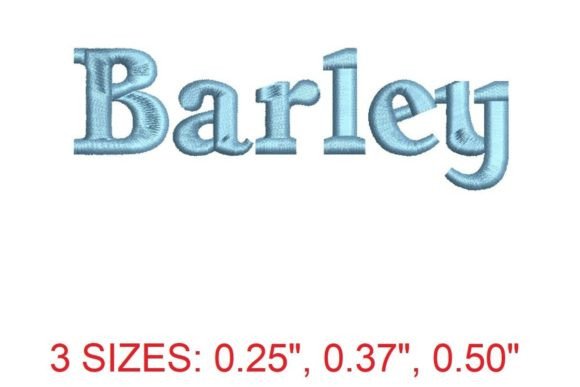
The Barley embroidery font arrives with an unmistakable warmth. The letterforms carry a gentle, hand-drawn quality that leans into the rustic and feminine without feeling overly frilly. This is not a bold sans-serif or a dense script. Barley sits somewhere between a refined print and a soft serif, with subtle details that catch the light once stitched. I immediately imagined it on a neutral sweatshirt, centered at the chest, in a single thread color that plays against the fabric texture. The mood is premium but not fussy, minimal but not cold. For small shops and Etsy sellers looking to build a boutique brand identity, Barley offers a visual voice that reads as intentional and curated.
The stitch personality of this font is what sets it apart. Because it is an embroidery font designed for the PES file format, the digitized paths are smooth, with clean corners and consistent underlay. The letterforms do not rely on extreme density to hold their shape. Instead, they use moderate stitch density and thoughtful pull compensation to keep the outlines crisp on sweatshirt fleece. I could see Barley functioning beautifully as a chest wordmark, a sleeve accent, or even a back design across the shoulder blades. The detail level is high enough to look special but restrained enough to maintain readability at smaller sizes.
How Barley Performs on Sweatshirt Fabric and Hoodie Designs
Sweatshirt embroidery presents unique challenges. The fabric has give, the thickness varies across seams, and the finished product needs to withstand washing and wear without puckering. When I evaluate any embroidery file for custom apparel, I look at three things: stitch density, hoop size, and stabilizer requirements. Barley does an excellent job of distributing stitches evenly across each letterform. There are no sudden jumps in density that could distort the fabric texture or create stiff spots on a hoodie design.
For chest placement on a standard adult sweatshirt, I would recommend hooping with a medium-weight cutaway stabilizer and a layer of topping to prevent the fleece nap from swallowing the stitches. The Barley font reads clearly at sizes around two to three inches tall, which is ideal for the left chest or center front. If you are working on an oversized hoodie or a relaxed-fit silhouette, you can scale the design up without losing the delicate character of the letterforms. The embroidery file responds well to resizing within a reasonable range, though I always advise testing a sample in your chosen hoop size before running a full production batch.
On dark fabric, Barley demands thoughtful thread color selection. A cream or off-white thread on a charcoal or black sweatshirt creates a soft, high-end contrast that feels editorial. On pastel colors like dusty lavender, sage, or blush, a darker tone like chocolate brown or deep navy lets the details shine. The font's open letterforms and moderate stitch density mean that thread colors remain distinct and do not bleed into one another visually. This is a font that rewards good color pairings, making it a versatile tool for Etsy sellers and small shop product lines that rotate seasonal palettes.
Sleeve Accents and Back Designs
One of the strongest applications for Barley is on a hoodie sleeve. A single vertical word running down the outer arm feels modern and understated. Because the font is not overly decorative, it reads clearly even in a narrow column. For back designs, I would pair Barley with a small graphic or keep it as a standalone wordmark across the upper back. The font's proportions work well in a landscape layout, and the stitching personality remains consistent whether you are embroidering five letters or fifteen.
Practical Production Concerns for the Barley Embroidery Font
Let me address the practical realities that every apparel decorator needs to consider before digitizing or purchasing an embroidery file. First, thread color contrast is critical with a font like Barley. Because the letterforms are not extremely bold, you need enough contrast between thread and fabric to preserve readability. On a white or heather sweatshirt, a dark thread works beautifully. On a dark ground, choose a thread that is at least two shades lighter or brighter than the fabric. Metallics and variegated threads can work, but test them first, as the subtle details of Barley may compete with heavy shimmer.
Stitch density in Barley is moderate, which is good news for fabric thickness. Heavy fleece, French terry, and even sweater knits can handle this font without excessive stiffness. However, I strongly recommend using a quality tear-away or cutaway stabilizer, depending on your fabric stretch. For sweatshirt embroidery, a cutaway stabilizer with a light to medium weight provides the best long-term durability. The finished product should feel soft on the inside, with no scratchy backside that could irritate the wearer. If you are producing for a boutique brand that values handmade product quality, stabilizer choice is not a place to cut corners.
Hoop size will depend on the length of your text. The Barley embroidery font is designed for the PES format, and individual letter files or a full alphabet allow you to string together words of any length. For a standard chest wordmark, a 5x7 hoop is usually sufficient. For longer phrases or back designs, you may need a larger hoop or multi-hoop layout. Always check your hoop size before digitizing or ordering, and run a test stitch on the actual fabric you plan to use. Fabric texture, whether smooth jersey or nubby fleece, will affect how the stitches sit on the surface.
Small-Size Readability and Washing Durability
One of the most common mistakes I see in small shop product embroidery is using a font that looks beautiful on screen but becomes a blur at small scale. Barley retains its readability well at smaller sizes, down to about one inch tall, provided the thread color contrasts well with the fabric. Below that, the finer details may start to close up. For children's apparel or pocket logos, I would keep the design at or above one and a half inches. Washing durability is strong because the stitch density is not excessive, and the underlay provides stability without bulk. I would recommend washing samples inside out in cold water and tumble drying low. With proper stabilizer and good tension, Barley should hold up beautifully through many cycles.
The Barley Font for Back to School and Seasonal Apparel
The Back to School season is a prime opportunity for small shops to release limited drops, and Barley fits naturally into that space. Parents and students are looking for designs that feel personal without being childish. A simple surname or motivational word in the Barley font on a cozy hoodie reads as thoughtful and elevated. It is not loud or trendy, which gives it longevity. This is the kind of font you can use for fall collections, holiday gifts, and even spring layering pieces. The seasonal versatility comes from its neutral personality. Barley does not scream a specific holiday, so you can pair it with different thread colors to shift the mood from back-to-school neutrals to winter pastels.
For Etsy listings, printable mockups featuring the Barley font on sweatshirt designs will photograph beautifully. The letterforms catch light in a way that looks dimensional without being bulky. When you photograph the finished product, the stitch details show up well in natural light, giving your handmade product a professional edge. If you use digital embroidery file mockups or design assets in your listing photos, make sure the font is displayed at a scale that shows its character. Customers who buy custom apparel are often looking for something that feels special, and Barley delivers that impression.
Final Verdict: Is Barley Embroidery Font Right for Your Shop?
After reviewing Barley through the lens of a real sweatshirt project, I can confidently say this is a font that belongs in the toolkit of any embroidery designer, small clothing brand, or Etsy seller who works with custom apparel. It offers the elegance of a decorative font without the production headaches that often come with complex digitizing. The PES file format compatibility makes it accessible for most commercial embroidery machines, and the moderate stitch density means you can produce beautiful finished products without constant tension adjustments.
For boutique brands that want to build visual recognition, Barley provides a consistent, recognizable lettering style that can carry across sweatshirts, hoodies, tees, and accessories. Buyers associate clean, well-stitched embroidery with quality, and Barley supports that perception. It is not a font that tries to do everything. It stays in its lane as a warm, elegant, reliable choice for small shop product lines. Before you buy, confirm the exact hoop size and stitch count for your intended word length, and always run a test sample on your target fabric. With those precautions in place, Barley will serve your sweatshirt embroidery projects with distinction.
In a market where handmade product and custom apparel need to compete with fast fashion, fonts like Barley help small shops stand out. They add a layer of craft and intention that buyers can feel when they hold the finished product. If you are planning your next limited drop, or simply refreshing your embroidery file library, give Barley a close look. It might be the quiet star of your best-selling season yet.