Allumette Embroidery Font Review for Small Business Merch
First Impressions: Elegance Meets Practicality in a Digital Embroidery File
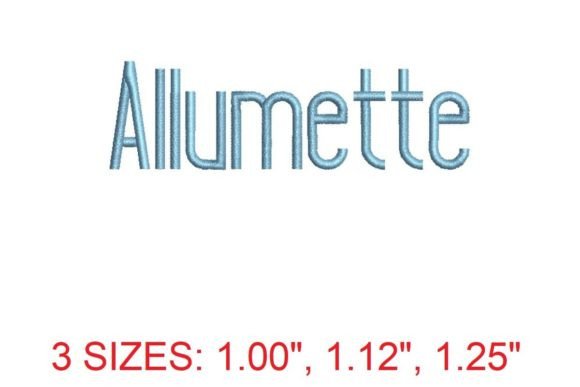
When I first opened the Allumette Embroidery Font file, I was struck by the balance it strikes between refined elegance and real-world usability. As someone who has digitized and stitched hundreds of custom apparel orders for small businesses, I know that a font has to do more than look pretty on screen. It has to perform under the needle. The Allumette Embroidery Font immediately felt like a design asset built for the boutique café, the handmade soap brand, the local florist, and the creative studio that wants its embroidered patch or chest logo to say, “We care about the details.” Its compatibility with the PES file format is a welcome feature for anyone running a commercial embroidery shop, since PES remains a standard across Brother and Baby Lock machines. That alone saves time during file conversion and keeps production moving. For small business owners who order branded merchandise through a decorator, this font signals that their finished product will have a polished, professional look without feeling stiff or overly corporate.
How Allumette Performs Across Real Business Merchandise
In my shop, I test every new machine embroidery design against the kinds of projects my clients actually need. With the Allumette Embroidery Font, I ran samples on several common substrates to see how it handles in daily commercial use.
- Embroidered patches: This is where Allumette shines. The letterforms stitch out cleanly at a moderate patch size, producing a raised, dimensional look that catches light beautifully. For a café that wants its name on a woven or twill patch for aprons or tote bags, this font delivers a handmade yet premium feel. The open counters and balanced stroke width help the letters remain legible even after edge trimming and backing application.
- Apron embroidery: Aprons for bakeries and coffee shops often feature a single line of text on the chest or a small logo accent. Allumette’s elegant curves add a touch of sophistication without overwhelming the garment. It pairs well with a simple icon or monogram and stitches evenly across cotton and poly-cotton blends.
- Cap embroidery: Caps present a unique challenge because of the curved surface and limited hoop area. I found that Allumette works best on structured caps with a firm front panel, where the lettering can sit without distortion. For unstructured dad hats, you will want to reduce the design size slightly and test stitch-out to confirm spacing holds up. The font’s natural rhythm helps it follow a gentle arc, making it a strong candidate for a cap logo or small brand name on the side.
- Tote bag design: Canvas tote bags are a staple for any small business merch line. Allumette stitches beautifully on medium-weight canvas, producing crisp edges and consistent density. Whether you are branding a giveaway tote for a farmers market or a retail bag for a boutique, this font reads as intentional and artisanal.
- Work shirts and staff uniforms: For uniform programs, consistency is everything. Allumette offers a uniform appearance across different garment sizes and fabrics. It is not too delicate for daily wear, and it holds up well to commercial laundering when the correct stabilizer and thread are used.
- Product packaging accents: Beyond apparel, I have seen decorators use Allumette on small fabric tags, product labels, and even as a printable mockup element for Etsy listings. Its elegant silhouette translates well to digital mockups, helping handmade brands present a cohesive look across their product photography and physical merchandise.
For Back To School merch, this font could easily appear on a custom pencil pouch, a library tote, or a spiritwear design for a local school event. Its refined style works for both youth and adult audiences, making it versatile across seasonal drops and limited-edition releases.
Where to Tread Carefully With Allumette in Commercial Embroidery
No design asset is perfect for every scenario, and the Allumette Embroidery Font has a few considerations that small business owners and embroidery shops should keep in mind before committing to a large order.
- Small patch sizes and tiny lettering: If you plan to embroider this font at a very small scale, such as a 1.5-inch name patch for a cap back or a tiny accent on a collar, the finer details may start to crowd. I recommend testing at your intended size first, or asking your digitizer to adjust the spacing and underlay for better clarity at reduced dimensions.
- Curved surfaces: While Allumette handles a gentle arc well, extreme curves on small caps or cylindrical items like pen sleeves may cause letter distortion. Always run a test stitch on the actual garment shape before production.
- High stitch density: Depending on how the font is digitized, some characters may carry a higher stitch count than expected. Dense lettering on lightweight fabrics like performance tees or fine knit shirts can cause puckering. Use a proper stabilizer, ideally a tear-away or cut-away depending on fabric weight, to keep the design flat and professional.
- Dark uniforms and fabric texture: On dark fabrics, thread color contrast becomes critical. Allumette’s elegance is best showcased with a high-contrast thread color, such as white, gold, or a bright accent. On textured fabrics like fleece or heavy sweater knits, the lettering may sink into the surface, reducing sharpness. A firm backing helps maintain definition.
- Items needing frequent washing: For aprons, work shirts, and tote bags that will see repeated laundering, confirm that the thread and stabilizer combination can withstand regular care. Polyester thread is recommended for longevity, and a cut-away stabilizer will preserve the design’s structure over time.
How Allumette Shapes Brand Identity and Customer Trust
The font you choose for your branded merchandise does more than spell out your business name. It communicates your values before a customer ever reads the words. Allumette Embroidery Font leans into a sophisticated, artisanal personality. It feels curated without being precious, refined without being cold. For a small business, this translates directly into how customers perceive your quality and attention to detail.
When a boutique bakery uses Allumette on its staff aprons and tote bags, the message is clear: every element of this brand is considered. When a creative studio stitches this font onto a cap or a work shirt, it signals professionalism and a modern aesthetic. The font helps build brand identity by offering a consistent visual language across different merchandise categories. That consistency drives customer trust. Shoppers who see the same refined lettering on a patch, a tote, and a product label are more likely to remember the brand and perceive it as established and reliable.
For handmade product brands and Etsy sellers, Allumette adds a layer of polish that can justify a higher price point. An embroidered patch with elegant typography elevates a simple canvas bag into a collectible item. The font’s visual personality supports the narrative of craftsmanship, which resonates deeply with buyers looking for authentic, small-batch goods. In my experience, clients who use this font on their custom apparel and embroidered patch orders see stronger engagement on social media, because the finished product photographs beautifully and stands out in a crowded marketplace.
Practical Embroidery Designer Notes Before You Produce
Before you send your digital embroidery file to production or stitch out your first sample, here are the steps I recommend every small business owner and decorator take when working with the Allumette Embroidery Font.
- Test it in black and white first. Stitch out the font using black thread on white fabric and white thread on black fabric. This reveals any spacing issues, density problems, or pull compensation needs before you commit to custom thread colors.
- Check if it works at your target patch size. If you are producing a 2-inch embroidered patch for a cap or a 4-inch chest logo for an apron, request a test stitch at the exact dimensions you plan to use. Adjust the file if the lettering becomes too dense or too loose.
- Review thread color contrast carefully. Allumette’s elegance depends on clean visibility. Choose thread colors that stand out against your fabric. Metallics and variegated threads can add interest but may require slower machine speeds and additional tension adjustments.
- Inspect spacing between characters. Some fonts require manual kerning adjustments to prevent letters from touching or spreading too far apart. Ask your digitizer to review spacing, especially for all-caps or mixed-case layouts.
- Confirm hoop size and machine compatibility. The Allumette file is designed for PES format, but check your machine’s hoop capacity for the layout you need. Multi-line designs may require larger hoops or splitting the design into multiple placements.
- Test on your actual fabric type. A font that stitches perfectly on cotton twill may behave differently on nylon, denim, or performance mesh. Always run a test on the exact fabric you plan to use for production.
- Use proper stabilizer. For most woven fabrics, a medium-weight cut-away stabilizer provides the best foundation for Allumette. For knits and stretchy fabrics, consider a tear-away or a combination stabilizer to prevent distortion.
- Create a mockup for client approval. Before stitching a full run, generate a printable mockup or use a digital embroidery simulation to show the client how the font will look on the finished product. This step prevents misunderstandings and ensures the brand identity matches their vision.
- Compare Allumette beside your other design assets. If your business already uses a logo, icon, or secondary typeface, make sure the font complements those elements. Consistency across your design assets strengthens recognition and professional presentation.
- Confirm commercial licensing before business use. Review the license that comes with your digital embroidery file. Ensure you have the right to use the font on merchandise you sell, especially if you are producing items for resale or client orders. If the license terms are not clear in the product description, contact the seller before stitching.
Taking these steps may add a day or two to your preparation timeline, but they save significant time and material waste during production. Every misstep I have seen in commercial embroidery comes back to skipping the test stitch or assuming a font will work at any size. Allumette rewards careful preparation with a finished product that looks like it came from a heritage brand.
Final Verdict for Small Business Merch and Patches
The Allumette Embroidery Font earns a strong recommendation from my side of the digitizing table. It brings elegance and compatibility together in a package that serves the real needs of small business owners, boutique apparel decorators, and handmade product brands. Whether you are stitching a run of embroidered patches for a local coffee shop, branding tote bags for a floral studio, or adding a refined touch to staff uniforms for a creative agency, this font supports your brand identity with every letter. Pay attention to size, fabric, and prep work, and you will get a machine embroidery design that elevates your merchandise and builds lasting customer trust. For any Embroidery project where sophistication meets daily wear, Allumette is a font worth threading into your next production run.