Thin Block Embroidery Font: A Designer's Review
When I first opened the Thin Block Embroidery Font file on my digitizing software, I immediately recognized its potential for the personalized gift market. As someone who runs a small shop focused on custom embroidery, I am always testing new machine embroidery design options before offering them to my customers. The Thin Block embroidery font presents a clean, modern silhouette that feels both sophisticated and approachable. Its slim letterforms offer a refined look without feeling cold or overly technical, and that is a rare balance to achieve in a digital embroidery file. For any Etsy seller or handmade product creator looking to expand their offerings, understanding how a font performs across different products is essential. After stitching out several test samples, I want to share my honest experience working with this font for real customer orders.
First Impressions and Emotional Appeal
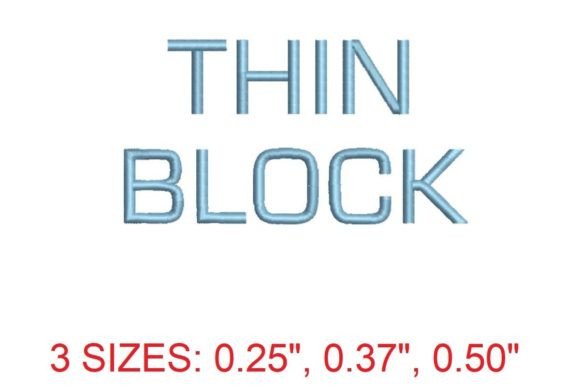
The Thin Block embroidery font carries a quiet elegance that immediately made me think of modern nurseries, minimalist home decor, and thoughtful wedding keepsakes. The letterforms are slim and well-defined, giving each character a crisp, hand-drawn feel that reads as intentional and polished. This is not a loud or playful font; instead, it whispers a sense of calm and care. When I imagine a customer requesting a personalized gift for a baby shower or a bridal party, this font feels like a natural match. It has a romantic and classic undercurrent, but the clean lines give it a modern edge that appeals to younger buyers. For a baby embroidery project like a nursery name sign or a delicate onesie, the Thin Block embroidery font adds a layer of handmade sophistication that parents love. It does not feel overly sweet or childish, which means it can grow with the child and remain a treasured family keepsake for years.
Where This Font Shines in Your Product Line
After testing the Thin Block embroidery font on several fabric types, I found it performs beautifully on items that benefit from a refined, unobtrusive stitch. Here are the applications that immediately stood out for my small shop product planning:
- Baby embroidery: Baby blankets, crib sheets, and muslin swaddles take on a heirloom-quality look. The thin lines feel gentle against soft fabrics and do not overwhelm the tiny garments.
- Wedding gifts: Embroidered towels, linen cocktail napkins, and ring bearer pillows become elegant keepsakes. The font's slim profile pairs well with monograms and short names.
- Family keepsakes: Quilt labels, embroidered family name signs, and personalized throw pillows look timeless. The Thin Block embroidery font reads clearly even when stitched at modest sizes.
- Personalized towels and embroidered towel sets: This font works especially well on towel hems because the narrow letters fit neatly without crowding the fabric edge.
- Nursery decor: Wall hangings, name banners, and hoop art projects benefit from the font's clean readability. It feels intentional and curated.
- Tote bags and custom tote bag orders: The slim letterforms look modern on canvas totes and make excellent custom embroidery products for local boutiques or craft fair tables.
- Pillow covers, aprons, blankets, and kitchen linens: Each of these items allows the font to shine as a subtle focal point that elevates the entire product without stealing attention from the fabric or design.
For Back To School projects, I can see this font working well on bookmarks, pencil cases, or small drawstring bags with a child's name. The slim letters feel modern and not too babyish, making them appropriate for older kids as well. Etsy sellers who offer personalized gift options will find that the Thin Block embroidery font appeals to buyers who value clean aesthetics and understated charm.
Where to Use Careful Consideration
No embroidery file is perfect for every surface, and the Thin Block embroidery font does have some limitations that are important to discuss honestly. Through my testing, I identified several situations where extra caution is needed:
- Small lettering at very small sizes: While the font reads well at moderate sizes, extremely small scaling (below about 0.3 inches in height) may cause the thin strokes to become fragile. Always test a sample before accepting a customer order for tiny lettering.
- Delicate details or highly textured fabric: Fabrics with heavy texture, such as thick terry cloth, boucle, or deep velvet, can distort the slim lines. The stitches may sink into the texture and lose definition. A dense or smooth fabric is a safer choice.
- Thick towels and heavy terry: Embroidered towel projects are popular, but thick loops can swallow thin lettering. Use a quality stabilizer and consider a slightly larger size to maintain readability.
- Stretchy baby clothes or knits: The thin column stitches may not have enough structural strength to hold their shape if the fabric stretches during stitching. Use a cutaway stabilizer and reduce pull compensation as needed.
- Curved surfaces: Items like hat crowns or rounded pillow cover edges require careful hooping to prevent distortion. The font is not as forgiving as thicker designs on curved areas.
- Dark fabric: Because the letterforms are slim, thread colors need to be chosen with contrast in mind. A light thread on a dark fabric may not provide enough visual weight for the letters to pop. Consider using a slightly thicker thread weight or a satin column backing if necessary.
- Products needing frequent washing: The thin stitches may be more prone to wear over time. For baby items or kitchen towels that will be washed often, I recommend using high-quality thread and advising customers on gentle care.
Being upfront with your customers about these considerations builds trust and reduces the chance of disappointing results. When I list a personalized gift option in my shop, I include a note about fabric recommendations so the buyer feels guided rather than surprised.
Giftability and Perceived Value
One of the most important factors I evaluate in any machine embroidery design is how it enhances the giftability of a finished product. The Thin Block embroidery font scores high in this area because it communicates care and intentionality. When a customer opens a package with their name or a meaningful word embroidered in this font, the clean lines feel personal without being overly ornate. This balance helps the product feel like a thoughtful handmade product rather than something mass-produced. For a wedding gift or a baby embroidery item, the font's subtle elegance increases the perceived value and makes the recipient feel special.
From a buyer engagement perspective, the font photographs beautifully. When I take printable mockup photos for my Etsy listings, the slim letters catch the light nicely and show clean stitch details. This translates into higher click-through rates and better product photography. Customers are drawn to images that look crisp and professional, and the Thin Block embroidery font delivers that visual appeal. It also works well on mockup templates for digital listings, helping digital product sellers create attractive previews without stitching every variation.
Practical Embroidery Notes for Your Shop
After running several test stitches, I compiled a checklist that I now use every time I prepare a new order with the Thin Block embroidery font. These practical steps will save you time and materials:
- Test on scrap fabric: Before stitching on the actual customer item, run a quick test on a similar fabric weight. This confirms stitch density and thread behavior.
- Check thread color contrast: Hold the chosen thread colors against both light and dark fabric swatches. The slim letters need enough contrast to be legible.
- Confirm hoop size: Measure the name or word length against your hoop size to ensure a comfortable fit. The font's thin strokes allow for longer names within smaller hoops, but always verify.
- Review stitch density: Open the embroidery file in your software and look at the density. Thin block fonts can sometimes be digitized too densely, causing fabric puckering. Adjust if needed.
- Use proper stabilizer: For most projects, a tear-away stabilizer works well, but for stretchy or textured fabrics, switch to a cutaway stabilizer for added support.
- Compare light and dark fabric mockups: Create a sample on both a light and dark fabric to see how the font reads. Dark fabrics may require a slightly heavier thread or an underlay to maintain shape.
- Check small details after stitching: Inspect the letters for any skipped stitches or gaps, especially on curves and at the ends of characters. Touch up if necessary.
- Confirm commercial licensing: Before selling finished products with this embroidery file, review the license terms. Many fonts require a commercial license for commercial embroidery on items you sell. If the terms are not clearly stated in the product description, contact the seller to confirm before listing your items.
These steps may seem like extra work, but they protect your reputation as a small shop product creator. Every custom embroidery order is an opportunity to build customer trust and earn repeat business. Taking the time to master a new machine embroidery design before offering it widely is a sign of professionalism.
Final Thoughts for Embroidery Makers and Gift Shop Owners
The Thin Block embroidery font is a versatile and attractive addition to any personalized gift product line. Its slim, well-defined letterforms carry a mood of quiet sophistication that appeals to a wide range of buyers, from new parents choosing baby embroidery to couples selecting wedding gift keepsakes. It is not a font for every fabric or every project, but when used thoughtfully on smooth, stable surfaces with good contrast, it elevates the overall quality of the handmade product.
For Etsy sellers and craft fair vendors, this font offers excellent photography appeal and strong emotional connection potential. Customers who see a beautifully embroidered name in a clean, modern script are more likely to trust that your shop delivers quality. If you are a digital product seller offering embroidery file bundles, the Thin Block embroidery font makes a valuable addition to your catalog, especially for Back To School projects and custom embroidery requests.
I plan to keep this font in my regular rotation for orders that call for a refined, minimalist look. When a customer tells me they want something personalized that feels special but not overly frilly, the Thin Block embroidery font is now one of my first recommendations. Stitch a test, check your stabilizer, and let this font bring a modern touch to your next collection of personalized gift products.