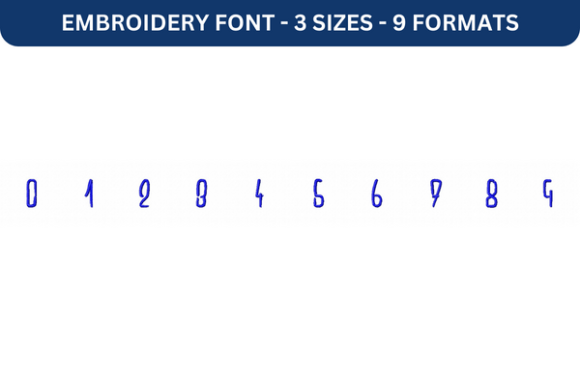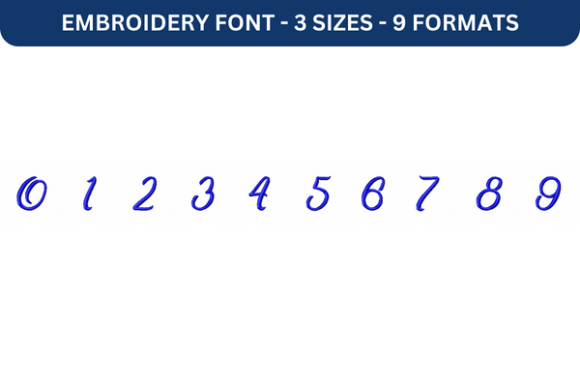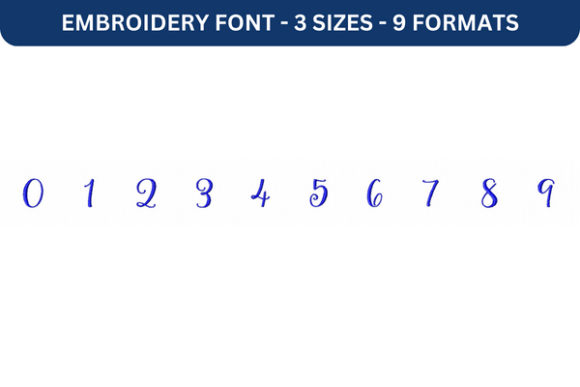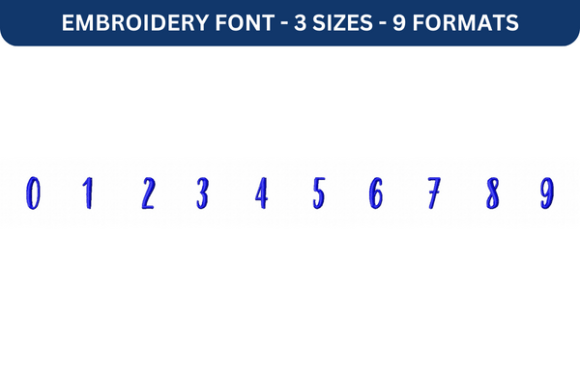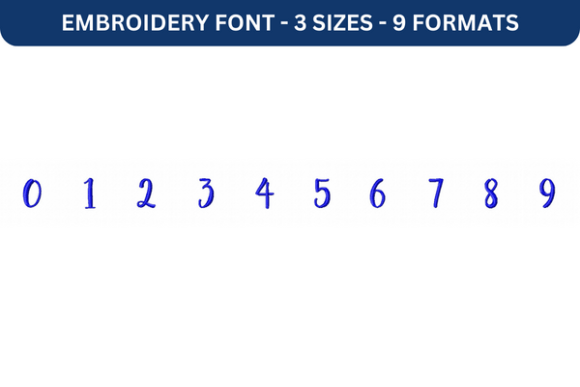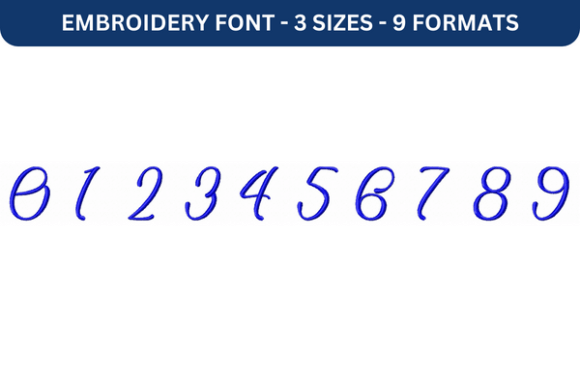
Lovely Home Font Number 0 to 9
When I first opened the Lovely Home Font Number 0 to 9 embroidery file, I was curious how a numeric font set would hold up in real projects. Numbers often get treated as an afterthought in machine embroidery design, but they carry the weight of dates, ages, jersey numbers, and personal milestones. This set immediately struck me as a font designed with warmth and readability in mind. The letterforms have a rounded, approachable quality that feels both handmade and deliberate. It is not overly decorative, nor is it cold and sterile. That balance is hard to find, especially in a numeric set that needs to work across multiple project types. Right away, I could see this font fitting into home décor pieces, personalized gifts, and back to school apparel where a friendly, clear number is essential.
A Font That Feels Like Home
The visual personality of Lovely Home Font Number 0 to 9 leans into comfort. Each digit carries a soft, slightly curved silhouette that reminds me of hand-lettered signage or stitched sampler work. It does not scream for attention, but it holds its own. The stroke width is consistent, which gives the font a stable, predictable look when stitched out. For an embroidery project like a personalized tote bag or a custom apron, that consistency matters. Customers notice when numbers look wobbly or uneven after washing. With this set, the structural integrity of each digit is designed to read clearly from a distance and up close. That kind of versatility makes it a strong candidate for small shop owners and Etsy sellers who want to offer personalization without worrying about legibility.
The theme of home runs through every character. It is not a modern, sharp, or edgy font. It is the kind of lettering you would use on a baby blanket, a holiday gift, or a set of kitchen towels. The mood is inviting, gentle, and nostalgic. If you are building a brand around handmade products that feel personal and warm, this font aligns naturally with that identity. For back to school embroidery, think of a cozy sweatshirt with a child's age or a classroom number. The font carries that soft, approachable energy without looking childish or overly cutesy.
Real Performance on Fabric and Hoop
I tested Lovely Home Font Number 0 to 9 on a medium-weight cotton sweatshirt first. I hooped the fabric with a cutaway stabilizer and used a standard 40-weight polyester thread in a soft navy against a cream background. The satin stitch elements in the digit outlines landed cleanly, with minimal push or pull. The fill areas stitched smoothly without excessive thread breaks or puckering. That is a good sign for anyone running a craft business, because time spent re-hooping or trimming jump stitches cuts into profit margins. The stitch density felt appropriate for most home and commercial embroidery machines. It is not overly dense, which reduces the risk of fabric distortion on lighter materials like t-shirts or baby onesies.
I also ran a test on a structured tote bag made from 100 percent cotton canvas. The heavier fabric handled the font beautifully. The numbers retained their shape even after multiple passes of the machine. For an embroidered patch or a cap design, I would recommend reducing the size slightly and using a stiff stabilizer to maintain the digit outlines. The font works best when it has room to breathe. Crowding the numbers into a tiny hoop size can cause the finer details to blur, especially on textured fabrics like fleece or terry cloth. If you are working with stretchy fabrics, a tearaway stabilizer might not be enough. I suggest a medium-weight cutaway and a light topping to keep the stitches crisp.
Where This Font Shines in Real Projects
After several test runs, I started imagining the projects where Lovely Home Font Number 0 to 9 would genuinely elevate the finished product. Here are the applications that stood out to me most:
- Custom apparel – Sweatshirts, t-shirts, and hoodies with a single number or a date on the back or sleeve. The font reads well at sizes from 1.5 inches up to 4 inches tall.
- Baby and nursery décor – Birth weights, dates, and ages on blankets, wall hangings, and crib sheets. The soft shape fits naturally in a nursery setting.
- Personalized tote bags – Great for boutique products and craft fair items. A single large number on the front of a canvas tote makes a strong visual statement.
- Holiday and wedding gifts – Anniversary dates, wedding years, or family numbers on pillow covers, tea towels, or decorative throws.
- Back to school items – Classroom numbers, locker decorations, and backpack tags. The font feels appropriate for school-aged children without being too juvenile.
- Embroidered patches – If you digitize patches for sale, this font works well as a standalone element or as part of a larger design layout.
- Small shop merchandise – Etsy sellers and handmade shop owners can use this font to offer personalized numeric embroidery on a wide range of products.
For each of these use cases, the font adds a layer of professionalism. It does not fight the fabric or the product shape. It settles into the design like it belongs there. That is the hallmark of a well-drafted embroidery file.
Areas That Need Attention Before Stitching
No font is perfect for every situation, and Lovely Home Font Number 0 to 9 has a few considerations that I always check before handing a finished product to a client. First, the stitch count per digit is moderate, but if you are stitching a long sequence of numbers, the density can add up. For example, a date like 2028 with four digits will require a stable fabric and a properly hooped backing. Lightweight or loosely woven fabrics may need a second layer of stabilizer to prevent tunneling or distortion.
Second, the font performs best in solid thread colors with good contrast against the fabric. Light thread on a dark background works beautifully because the satin stitch outlines pop. Dark thread on a dark fabric, especially with a high stitch density, can cause the digits to blend together. I always recommend testing a single digit on scrap fabric first, especially if you are working with a new thread brand or a fabric type you have not used before. Take note of how the thread lies on the surface and whether the fill stitches look smooth or bumpy.
Third, small hoop sizes below 4x4 inches can be tricky. If you are digitizing a cap or a curved surface, reduce the font size gradually and check the digit spacing. The font relies on consistent spacing between numbers to maintain readability. When you shrink it too much, the gaps close up and the digits can look like a solid block of thread. For caps and sleeves, I suggest using a floating technique with a stiff backing to keep the fabric from shifting.
Finally, always confirm the licensing terms before selling finished items or digital products. The product description notes that this is a high-quality embroidery font for personalization, but you should verify whether the license covers commercial use, especially if you plan to sell embroidered back to school items or boutique products at scale. If you are creating digital embroidery files for resale, check whether the font itself can be distributed or if it is limited to finished physical goods.
Visual Appeal and Customer Trust
When a customer receives a personalized gift with crisp, clear numbers, they immediately associate that quality with the maker. Lovely Home Font Number 0 to 9 helps build that trust because it consistently delivers a clean stitchout. In my experience, buyers notice small details: the smoothness of a curved digit, the evenness of the fill stitch, and how the embroidery holds up after the first wash. This font performs well on all three fronts. It does not look like a generic system font that was converted hastily. It looks like someone took the time to craft digits that feel organic and intentional.
For Embroidery projects that need to stand out in a crowded market, the font gives you a reliable tool. Whether you are designing printable mockups for an Etsy listing or stitching a one-of-a-kind holiday gift, the font carries a handmade charm that digital mockups alone cannot replicate. When a customer sees the finished product in person, the stitch quality reinforces the value of the piece. That translates into repeat orders, word-of-mouth referrals, and a stronger brand reputation.
Practical Notes for Designers and Shop Owners
After spending time with this set, I have a few recommendations for anyone planning to use it in real production work. First, always run a test stitch on the exact fabric you plan to use. Fabric texture changes everything. A font that looks perfect on cotton broadcloth can behave differently on polyester fleece or linen. Check the stitch density and adjust if needed. If the fill stitches look too compact, you can slightly reduce the density in your software without losing the font character.
Second, consider the thread colors carefully. Metallic threads or variegated threads can add a nice accent, but they may also obscure the digit outlines if the color contrast is low. For maximum readability, stick with solid, high-contrast thread colors. Black and white mockups are a great way to evaluate the font before committing to a color palette. Print a black and white preview of the design at full size and check how the digits interact with each other.
Third, think about the final product use case. If you are embroidering a baby blanket that will be washed frequently, a higher stitch density and a cutaway stabilizer will extend the life of the embroidery. For a decorative pillow cover that will not be washed often, a lighter stabilizer may suffice. Match the construction method to the product.
Fourth, if you are an Etsy seller or small shop owner, consider offering the font as a personalization option for multiple product categories. A single numeric font can serve birthday gifts, wedding keepsakes, sports apparel, and classroom items. That versatility reduces the need to purchase multiple font sets and simplifies your production workflow.
Finally, keep a digital embroidery file backup in multiple formats if your machine supports it. This gives you flexibility when a customer requests a specific hoop size or fabric type. Testing the font at different sizes before offering it to customers will save you from stitching disasters later.
The Verdict for Real Project Use
Lovely Home Font Number 0 to 9 earns its place in a designer's toolkit. It is not a flashy or trend-driven font. It is a reliable, well-drafted numeric set that brings warmth and clarity to any embroidery project. For back to school apparel, personalized gifts, and boutique merchandise, it offers the kind of consistent performance that builds customer trust and elevates handmade products. If you value stitch quality, legibility, and a friendly aesthetic, this font is worth adding to your collection. Test it on your go-to fabrics, experiment with thread colors, and let the digits speak for themselves. A good font does not need to shout. It just needs to stitch cleanly every time.